
Do Persian Cats Shed a Lot? Grooming Tips Every Cat Parent Must Know
If you’ve ever admired the majestic beauty of a Persian cat, you’ve probably also noticed their long, silky coat. But with all that fluff comes an important question many new and potential owners ask: Do Persian cats shed a lot?
The short answer is yes — Persians are known for heavy shedding, which can be overwhelming for first-time cat parents. Shedding doesn’t just affect your home; it also impacts grooming routines, allergy management, and your cat’s overall health.
Table of Contents
In this article, we’ll break down why Persian cats shed so much, how to manage it, and what every owner needs to know to keep both their cat and living space comfortable. Whether you’re considering adopting a Persian or already share your home with one, this guide will help you understand and handle their luxurious — but high-maintenance — coats.
Do Persian Cats Shed a Lot?
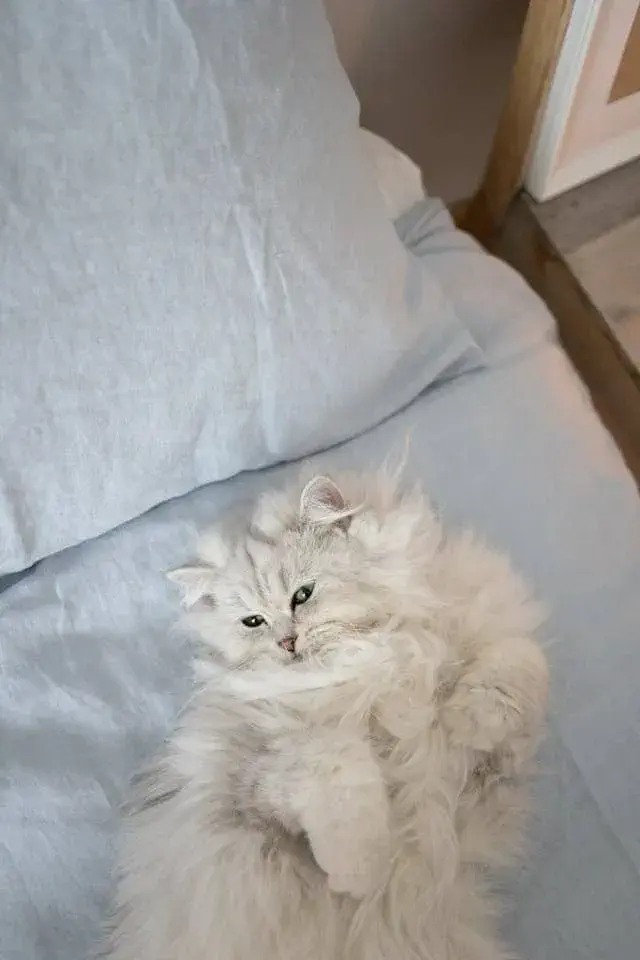
Yes, Persian cats shed quite heavily because of their long, dense double coat. Unlike short-haired breeds, Persians naturally lose more fur on a daily basis, and this can increase during seasonal changes. Their thick undercoat traps loose hairs, which is why grooming is so important.
For owners, this means you’ll often find cat hair on clothing, furniture, and bedding if shedding isn’t managed properly. While it may seem overwhelming at first, consistent brushing, proper diet, and good grooming habits can make a big difference in controlling the amount of fur your Persian leaves behind.
Why Do Persian Cats Shed So Much?
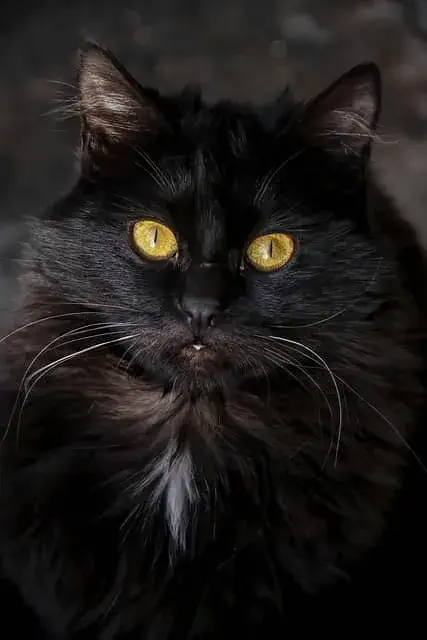
Persian cats are famous for their luxurious, flowing coats — but that beauty comes with a price: a lot of shedding.
Unlike short-haired breeds, Persians have a long double coat, which means twice the fur and twice the shedding. Let’s break down the main reasons.
1. Their Luxurious Double Coat
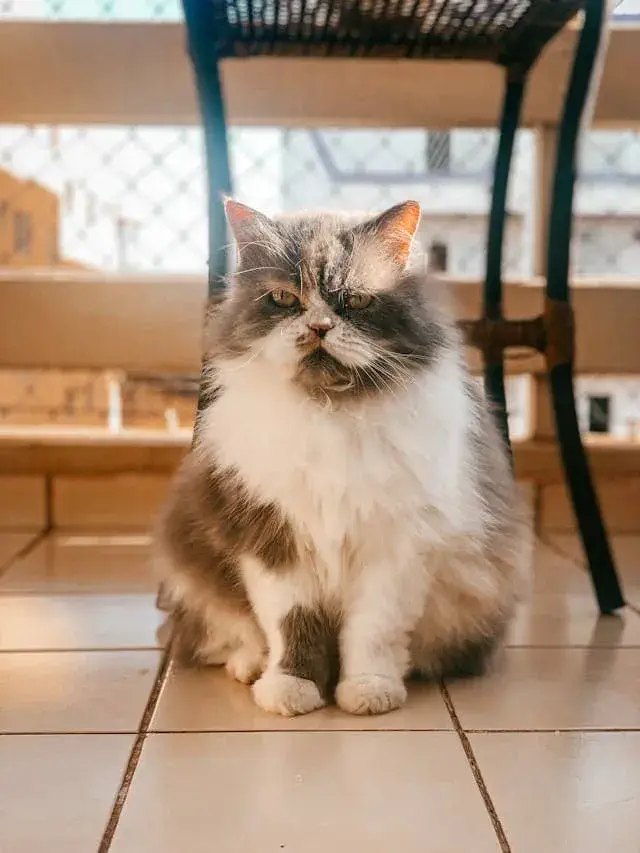
Persians have two layers of fur: a dense, fluffy undercoat and a silky outer coat.
The undercoat in particular tends to shed heavily, especially if not brushed daily. Without regular grooming, this loose hair tangles easily and forms mats.
2. Seasonal Shedding Patterns

Like many cats, Persians shed more during seasonal changes, especially in spring and fall.
This helps them adapt to temperature shifts — lighter coats in summer, thicker coats in winter. Expect to see a spike in fur around your home during these times.
3. Health and Nutrition Factors
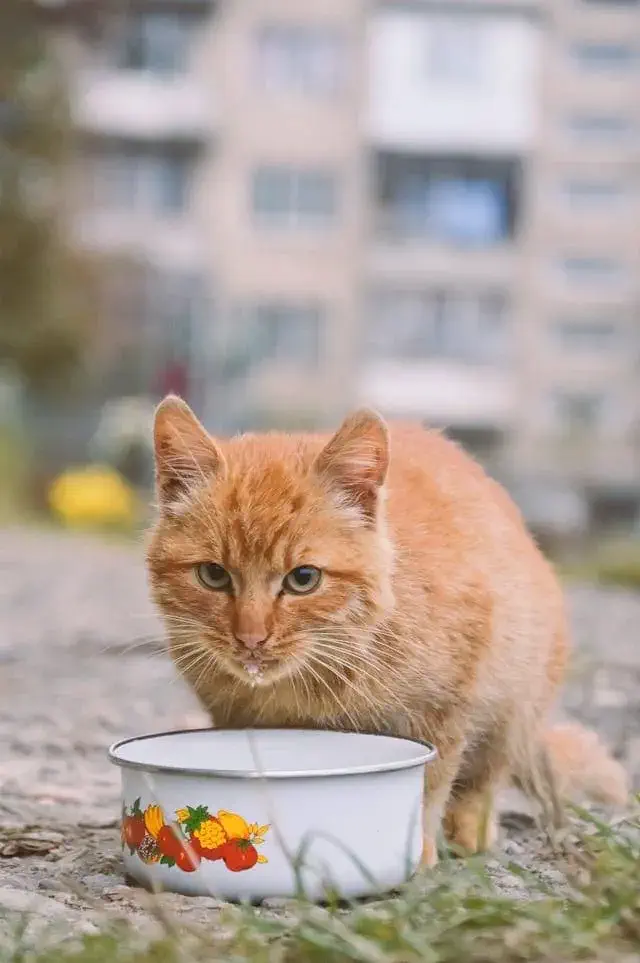
A Persian’s coat reflects their overall health. Poor diet, stress, or medical issues such as skin infections or parasites can increase shedding.
A balanced diet rich in Omega-3 and Omega-6 fatty acids helps reduce excessive hair loss and keeps their coat shiny.
4. Indoor Living Conditions

Even indoor Persians shed, but environmental factors like heating, air conditioning, and artificial lighting can disrupt their natural shedding cycles. This often results in more consistent, year-round shedding rather than just seasonal.
In short: Persian cats shed a lot because of their genetics, thick coat, and natural cycles. The good news is that with consistent grooming and proper care, owners can manage it effectively.
How to Manage Persian Cat Shedding
While Persian cats do shed a lot, the good news is that their shedding can be controlled and managed with the right care.
Consistency is key — a little daily maintenance goes a long way in keeping your home fur-free and your cat’s coat healthy.
1. Daily Grooming Is Essential
Persian cats need daily brushing because of their long double coat. Using a wide-tooth comb or slicker brush prevents tangles, mats, and excess hair buildup. Daily grooming also reduces the amount of loose fur around your house and strengthens your bond with your cat.
2. Regular Bathing Routine
Bathing your Persian once a month (or as recommended by a vet) helps remove dirt, oils, and loose hair. Always use a cat-safe shampoo designed for long-haired breeds. Bathing not only reduces shedding but also keeps their coat soft and shiny.
3. Nutrition for a Healthy Coat
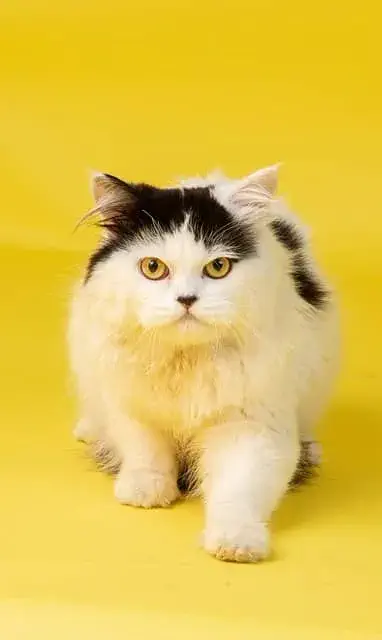
Diet plays a huge role in how much your Persian sheds. A high-protein diet with Omega-3 and Omega-6 fatty acids supports skin and coat health.
Foods rich in fish oil or supplements recommended by your vet can significantly reduce excess shedding.
4. Professional Grooming Services
Sometimes, at-home care isn’t enough. Professional groomers can provide sanitary trims, de-shedding treatments, and coat maintenance that make life easier for both you and your Persian. Many owners opt for seasonal grooming to keep the coat manageable.
5. Keep Your Home Shedding-Friendly
Invest in lint rollers, pet vacuums, and washable throws for your furniture. This doesn’t stop shedding, but it makes cleanup much easier. Air purifiers also help reduce allergens caused by cat hair and dander.
Common Shedding Problems & Solutions
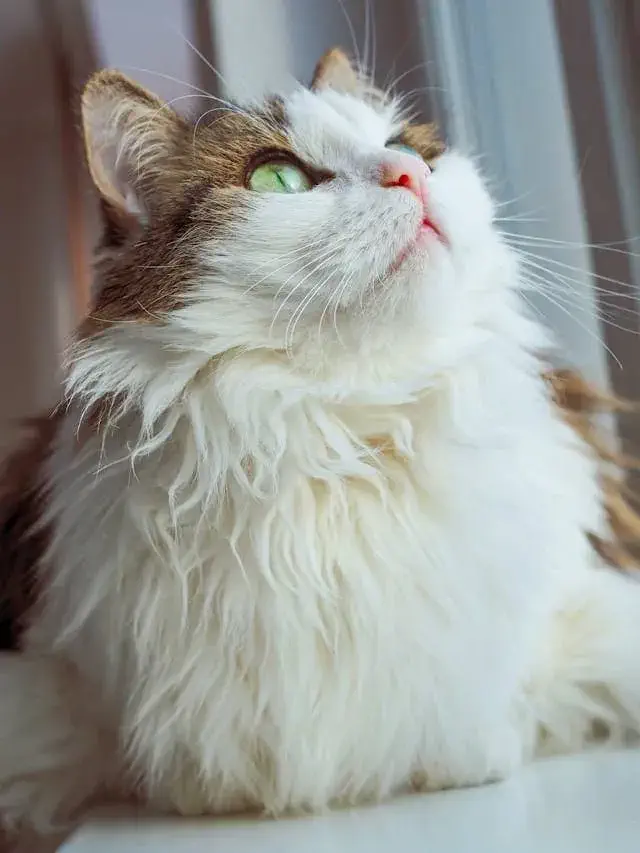
Shedding is a normal part of owning a Persian cat, but sometimes it comes with challenges that can affect both the cat and the owner.
Knowing the most common issues — and how to solve them — makes managing a Persian’s coat much easier.
Hairballs from Excessive Shedding
Problem: Persian cats are prone to hairballs because their long fur gets swallowed during grooming. This can cause vomiting, digestive issues, or even blockages.
Solution:
- Brush your cat daily to minimize loose fur.
- Add a hairball-control formula to their diet.
- Provide plenty of hydration and high-fiber treats to help digestion.
Allergies in Cat Owners
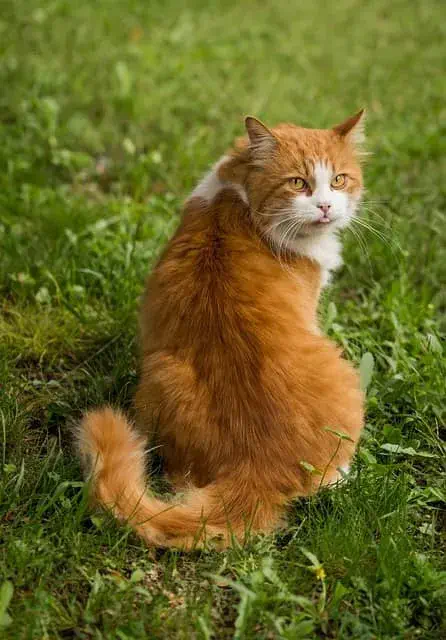
Problem: Persian shedding often triggers allergies due to dander and fur spreading around the home.
Solution:
Consider allergy-friendly sprays or vet-approved wipes for your cat’s coat.
Use HEPA air purifiers to trap allergens.
Wash bedding and fabrics regularly.
Groom your cat in a designated area to limit allergen spread.
When Shedding Signals a Health Issue
Problem: While shedding is normal, excessive or unusual shedding may point to health problems such as skin infections, parasites, or nutritional deficiencies.
Solution:
- Watch for bald patches, constant scratching, or irritated skin.
- Consult your vet if shedding patterns change suddenly.
- Maintain a balanced diet and ensure flea/tick prevention is up to date.
Fur All Over Furniture & Clothes
Problem: Cat hair sticks to couches, carpets, and clothes, making cleanup frustrating.
Solution:
- Keep lint rollers and pet vacuums handy.
- Place washable covers on furniture.
- Groom your Persian regularly to catch loose fur before it spreads.
Key Takeaway: Most shedding problems with Persian cats have simple, consistent solutions. With the right routine, you can keep your cat comfortable and your home cleaner.
Conclusion
Owning a Persian cat means embracing both their stunning beauty and their grooming needs. If you’re ready to commit to their care, you’ll be rewarded with a loving, elegant companion whose luxurious coat is just part of their charm.
FAQs
Does a Persian cat shed a lot?
Yes, Persian cats shed heavily because of their long double coat.
How often does a Persian cat need grooming?
Daily brushing is best, with professional grooming every few weeks.
What is the main cause of death of Persian cats?
Kidney disease (PKD) and heart disease are the most common causes.