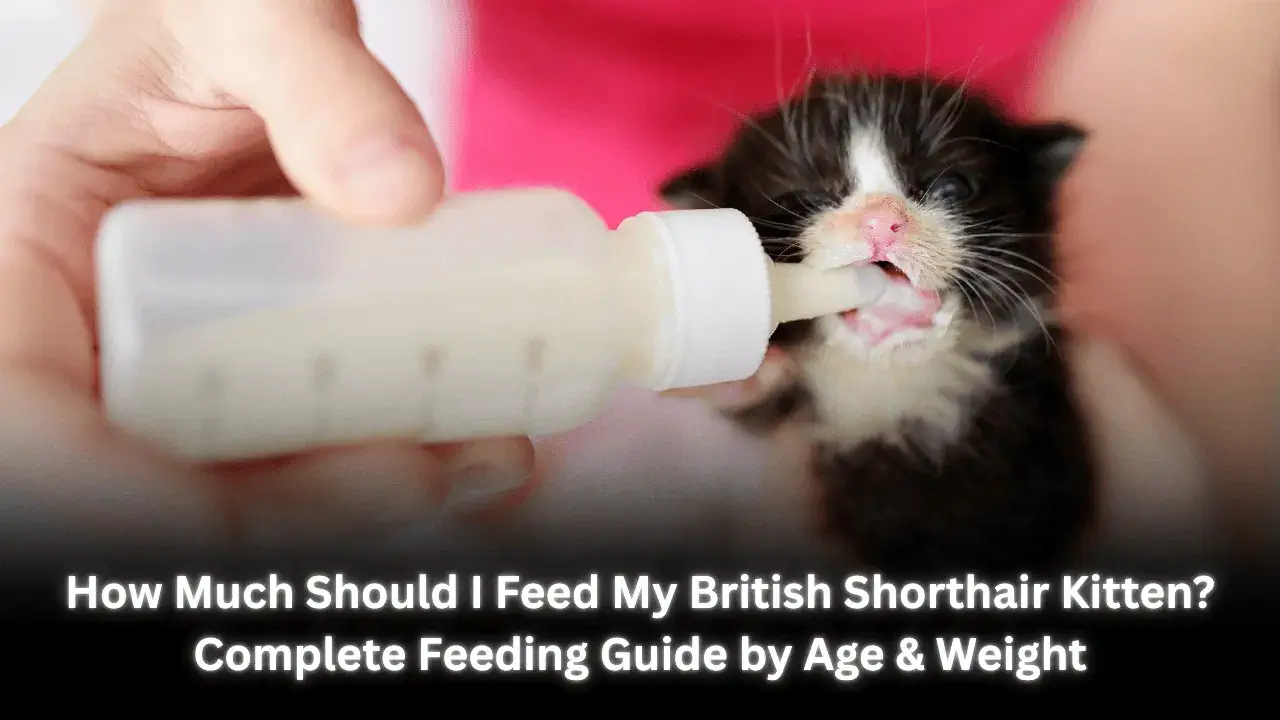
How Much Should I Feed My British Shorthair Kitten? Complete Feeding Guide by Age & Weight
British Shorthair kittens are irresistibly cute with their round faces, plush coats, and calm personalities. But behind that adorable fluff lies a breed that is naturally stocky and prone to weight gain if overfed. That’s why new cat parents often ask the big question: “How much should I feed my British Shorthair kitten?”
Table of Contents
Feeding your kitten the right amount during these crucial early months is one of the most important steps you can take for their lifelong health. A balanced diet not only supports healthy growth but also prevents obesity — a common issue in this breed. In this guide, we’ll walk you through age-based feeding charts, portion control tips, and expert advice so you can feel confident about nourishing your British Shorthair kitten the right way.
Understanding Your British Shorthair Kitten’s Nutritional Needs
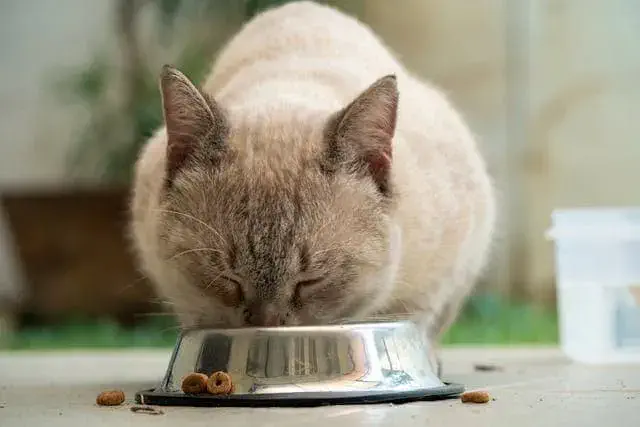
British Shorthair kittens may look like little teddy bears, but their growing bodies have very different dietary needs compared to adult cats. At this stage, they require higher levels of protein, fat, and calories to fuel their rapid growth and playful energy.
Unlike some lighter, more active breeds, the British Shorthair has a naturally stocky and muscular build. This makes portion control even more important, because while they need enough nutrients to grow strong, they are also more prone to gaining excess weight.
The Role of Macronutrients
- Protein: Essential for muscle development and overall growth. Look for kitten food with animal-based protein sources like chicken, turkey, or fish.
- Fat: Provides energy and supports healthy skin and that signature plush British Shorthair coat.
- Carbohydrates: Should be limited — cats are obligate carnivores, so too many carbs can lead to weight issues.
Vitamins and Minerals
Growing kittens also need a balanced intake of calcium, phosphorus, and taurine (an amino acid vital for heart and eye health). High-quality commercial kitten foods are typically formulated with these in the correct ratios.
Wet Food, Dry Food, or Both?
Many British Shorthair owners find that a combination of wet and dry food works best. Wet food helps with hydration and portion control, while dry food is convenient and supports dental health.
How Much Should I Feed My British Shorthair Kitten by Age and Weight?
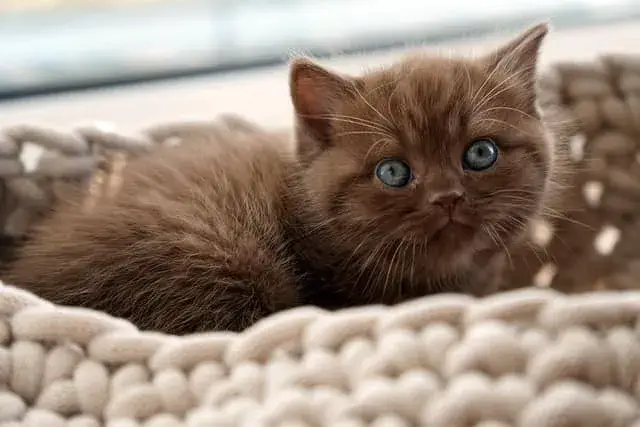
Feeding your British Shorthair kitten the right amount depends on two main factors: age and body weight. Since this breed has a naturally solid frame and slower metabolism, it’s important to provide enough calories for growth without tipping into overfeeding.
General Guidelines
- 0–3 months (weaning stage): Small, frequent meals 4–5 times a day.
- 3–6 months (growth spurt stage): 3–4 meals a day with gradually larger portions.
- 6–12 months (teen stage): 2–3 meals a day, transitioning towards adult feeding amounts.
Recommended Daily Portions by Weight
(These are average guidelines — always check your kitten food’s feeding chart and consult your vet.)
| Kitten Age | Average Weight | Daily Food Amount | Notes |
|---|---|---|---|
| 8–12 weeks | 2–3 lbs | 150–200 calories (about ¾ – 1 cup dry or 2–3 small wet food cans) | High protein, multiple meals |
| 3–6 months | 3–6 lbs | 200–300 calories | Maintain steady growth, avoid free-feeding |
| 6–12 months | 6–10 lbs | 250–350 calories | Start reducing meal frequency, portion control is key |
Signs You’re Feeding the Right Amount
- Steady weight gain without excessive roundness in the belly.
- Energetic and playful behavior.
- Healthy, shiny coat.
Wet Food vs. Dry Food: What’s Best for British Shorthair Kittens?
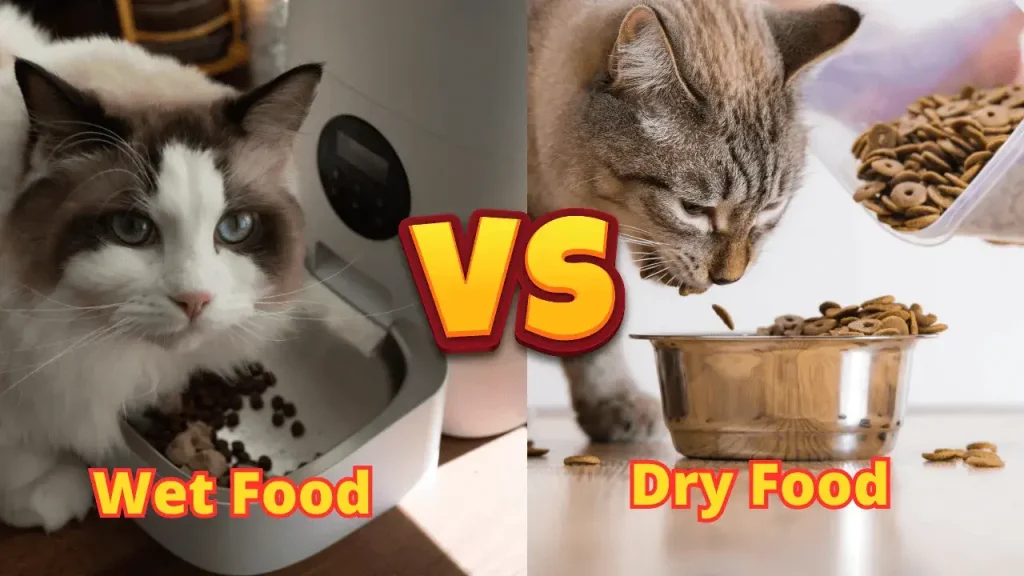
One of the most common questions new cat parents ask is whether they should feed their British Shorthair kitten wet food, dry food, or a mix of both. Each option has its own benefits and drawbacks, and choosing the right balance can make a big difference in your kitten’s growth and long-term health.
Wet Food Benefits
- Hydration support: Cats naturally drink less water, so wet food helps prevent dehydration.
- Portion control: Pre-portioned cans or pouches make it easier to manage calorie intake.
- Palatability: Most kittens love the rich aroma and soft texture, which encourages them to eat.
Dry Food Benefits
- Convenience: Easy to measure, store, and leave out for short periods.
- Dental health: Kibble can help reduce plaque buildup, though it’s not a substitute for dental care.
- Cost-effective: Dry food is typically more budget-friendly and lasts longer once opened.
The Best Approach: A Mixed Diet
For many British Shorthair kittens, a combination of wet and dry food works best. Wet food ensures proper hydration and portion control, while dry food provides variety and crunch. Together, they support balanced nutrition and help reduce the risk of obesity — a common concern in this breed.
Common Feeding Mistakes to Avoid
Even with the best intentions, many new cat parents make mistakes when feeding their British Shorthair kittens. Because this breed is naturally prone to weight gain, avoiding these pitfalls is just as important as choosing the right food.
1. Overfeeding
British Shorthairs grow into strong, muscular cats, but giving them too much food too often can quickly lead to obesity. Stick to portion guidelines based on age and weight, and avoid free-feeding.
2. Free-Feeding All Day
Leaving a bowl of food out 24/7 may seem convenient, but it encourages overeating. Scheduled meals teach kittens portion control and help you track how much they’re really eating.
3. Feeding Only Dry Food
Dry food alone can leave your kitten under-hydrated. A diet without wet food also makes it harder to control calories. Mixing wet and dry ensures better hydration and balanced nutrition.
4. Offering Human Foods
Some human foods — like onions, garlic, chocolate, or even certain dairy products — can be toxic to cats. Keep treats to a minimum and stick to vet-approved kitten-safe snacks.
5. Ignoring Growth Changes
Kittens grow fast, and their calorie needs shift every few months. Feeding the same amount for too long may cause underfeeding or overfeeding. Always adjust portions as they grow.
Tips for Healthy Feeding Habits

Feeding your British Shorthair kitten isn’t just about what you put in their bowl — it’s also about building good habits that support long-term health. Here are some practical tips to keep your kitten growing strong without overfeeding.
1. Stick to Scheduled Feeding Times
Offer meals at the same times each day to create a routine. This makes portion control easier and helps prevent overeating.
2. Use Portion Control
Measure out your kitten’s food instead of guessing. A small kitchen scale or measuring cup ensures accuracy and prevents accidental overfeeding.
3. Provide Fresh Water at All Times
Hydration is crucial, especially if your kitten eats dry food. Make sure a clean bowl of water is always available. Some British Shorthairs enjoy drinking from a cat fountain.
4. Monitor Growth and Weight
Weigh your kitten regularly and track their body condition. A healthy kitten should feel solid but not round or pudgy around the belly.
5. Transition Smoothly to Adult Food
Around 12 months, begin gradually switching your kitten to adult British Shorthair-appropriate food. Mix small amounts of the new food into their kitten food over 7–10 days to avoid digestive upset.
6. Keep Treats Limited
Treats should make up no more than 10% of your kitten’s daily calories. Opt for healthy, vet-approved cat treats instead of human food.
Conclusion
Most importantly, remember that every kitten is unique. Use feeding charts as a guideline, but monitor your kitten’s weight and behavior closely. When in doubt, your veterinarian can provide personalized advice to ensure your British Shorthair grows into a healthy, happy companion.
Is 2 meals a day enough for a kitten?
Kittens need 3–4 small meals a day because they burn energy quickly and are still growing.
Do British Shorthair cats eat a lot?
They enjoy food but aren’t usually overeaters. However, their stocky build makes them prone to weight gain, so portion control is very important.
Is half a cup of food enough for a kitten?
It depends on age, weight, and the type of food. For many kittens, half a cup might be too little or too much — always follow the feeding guidelines on the food label and adjust with your vet’s advice.