
Why Do Ragdoll Cats Go Limp? The Fascinating Truth About Floppy Cats
If you’ve ever seen a Ragdoll cat being picked up, you might have noticed something unusual—they instantly relax and go completely limp, almost like a soft plush toy. This fascinating behavior is so iconic that it inspired the breed’s very name. But why do Ragdoll cats go limp? Is it because they’re overly relaxed, extra trusting, or simply “lazy” by nature?
Table of Contents
In this article, we’ll explore the truth behind the Ragdoll’s famous floppy trait, separating myths from reality. From their gentle temperament to the science of their genetics, you’ll discover exactly what makes these cats so unique—and why their charming personality has won the hearts of cat lovers around the world.
Why Do Ragdoll Cats Go Limp?
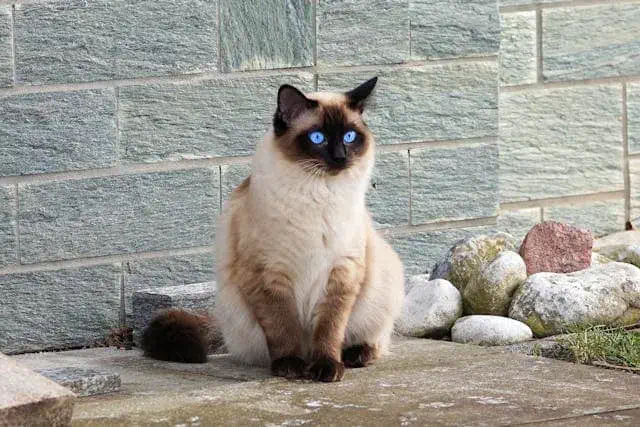
Ragdoll cats are famous for their unusual “floppy” behavior. When you pick them up, they often relax their entire body, becoming soft and limp in your arms. This isn’t something you see in most cat breeds, and it’s one of the main reasons people fall in love with Ragdolls.
The answer to why do Ragdoll cats go limp comes down to a mix of their genetics and temperament. Unlike more independent breeds, Ragdolls were selectively bred for their calm, affectionate, and trusting nature. This means they are more likely to fully relax when held, showing a level of comfort and bond with humans that feels unique.
Another reason Ragdolls go limp is their instinctive trust. Unlike cats that stiffen up when lifted, Ragdolls surrender their body weight because they feel safe with their owners. It’s not a sign of weakness or laziness—it’s actually a reflection of their famously gentle and easygoing personality.
In short, Ragdolls go limp because they are naturally relaxed, affectionate, and people-oriented. Their floppy nature is part of what makes them one of the most beloved family cats in the world.
The Science Behind the “Floppy Cat” Trait
While the Ragdoll’s limp behavior looks almost magical, there’s real science and breeding history behind it. Understanding this helps explain why Ragdoll cats go limp and why this trait is so consistent in the breed.
Genetics and Temperament
Ragdoll cats were first developed in the 1960s by breeder Ann Baker, who selectively bred cats with calm, affectionate, and docile personalities. Over time, this careful breeding reinforced their signature laid-back temperament. Unlike many breeds that remain alert or tense when lifted, Ragdolls are genetically inclined to relax and trust the people around them.
Relaxation and Trust in Humans
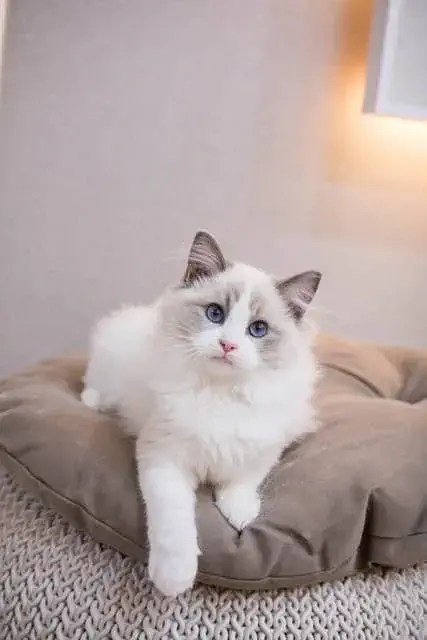
At the heart of the Ragdoll’s “floppiness” is their extraordinary trust. When most cats are picked up, they instinctively brace themselves to protect against falling. Ragdolls, however, often do the opposite.
They relax their muscles and allow themselves to go completely limp because they feel secure in human arms. This behavior isn’t a medical condition—it’s a sign of comfort and confidence.
Not a Health Issue
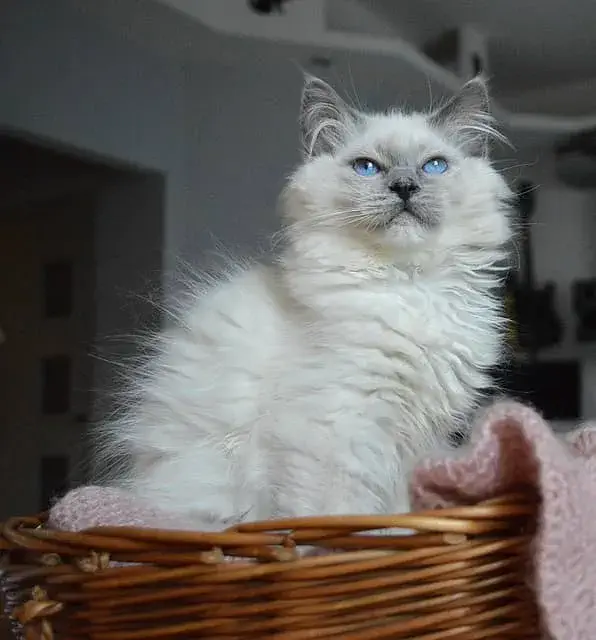
Some new owners worry that going limp might indicate a health problem, like low muscle tone. The truth is, Ragdolls are perfectly healthy cats.
Their floppy nature is simply a reflection of their temperament, not a disorder or weakness.
Myths and Misconceptions About Ragdolls Going Limp
The Ragdoll’s floppy trait often surprises new owners—and with it comes a lot of myths. Let’s clear up some of the most common misconceptions about why Ragdoll cats go limp.
Are Ragdolls Lazy Cats?
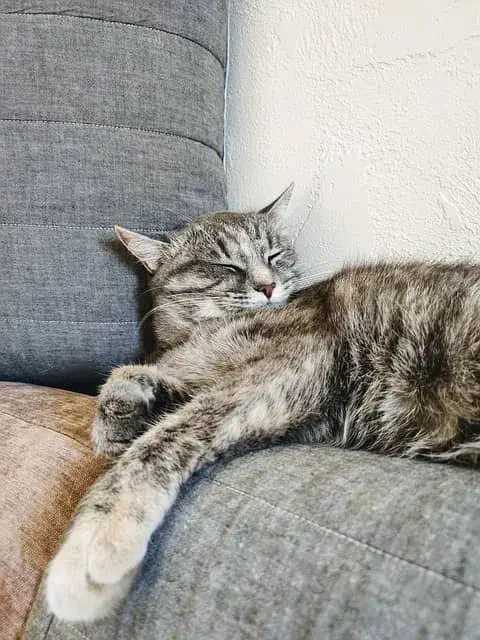
One of the biggest myths is that Ragdolls are “lazy” because they go limp. While they are calmer than many breeds, Ragdolls still enjoy playtime, interactive toys, and even learning tricks.
Their relaxed nature doesn’t mean they lack energy—it simply means they have a more easygoing personality compared to more high-strung cats.
Is Going Limp Dangerous for Them?
Another misconception is that going limp is unhealthy or risky. In reality, it’s a normal behavior for Ragdolls and doesn’t cause them harm. That said, it’s important to support their body properly when holding them. Because they’re so relaxed, they won’t tense up to protect themselves if they slip from your arms.
Do All Ragdolls Always Go Limp?
Not every Ragdoll cat will consistently go limp, and that’s okay. Just like people, cats have individual personalities. Some may flop every time they’re picked up, while others only do it occasionally. If your Ragdoll doesn’t always go limp, it doesn’t mean something is wrong—it just reflects their unique character.
Why This Trait Makes Ragdolls Special
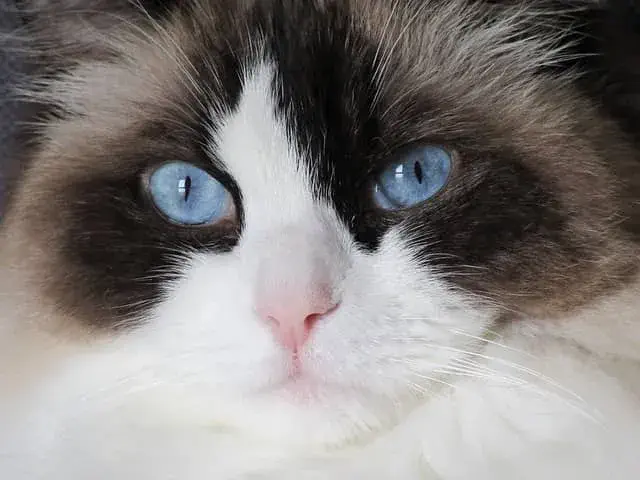
The tendency to go limp is more than just a quirky behavior—it’s part of what makes Ragdolls so beloved. For many cat lovers, this trait is a big reason they choose the breed.
A Sign of Deep Trust
When a Ragdoll goes limp in your arms, it’s a reflection of their bond with you. Unlike other cats that stiffen up when lifted, Ragdolls surrender their weight because they feel safe and comfortable. This level of trust makes them feel almost “dog-like” in their devotion.
Perfect for Families and Companionship
Because of their calm and affectionate nature, Ragdolls are often described as ideal family pets. Their willingness to relax and be handled gently makes them great companions for adults and children alike. It’s also why they adapt well to apartment living, where a mellow personality is highly valued.
A Unique Personality Trait
Many cats are known for being independent, but Ragdolls stand out with their gentle, people-oriented personality. Their “floppy” nature adds to their charm, making them not just beautiful cats, but also affectionate companions who thrive on human interaction.
In short, the floppy behavior isn’t just a curiosity—it’s part of what makes Ragdolls truly special and sets them apart from other breeds.
Tips for Ragdoll Cat Owners
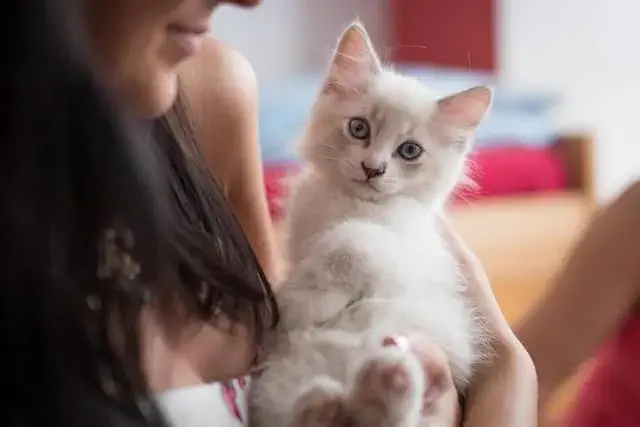
Owning a Ragdoll cat is a rewarding experience, but their unique “floppy” nature means there are a few things to keep in mind. Here are some helpful tips to make sure your cat stays happy, safe, and well cared for.
Handle Them with Care
Because Ragdolls often go limp when picked up, it’s important to always support their full body weight. Use one arm under their chest and the other under their back legs. This prevents strain and keeps them comfortable, especially since they won’t instinctively tense up.
Encourage Playtime
Even though they’re relaxed cats, Ragdolls still need daily exercise and stimulation. Interactive toys, climbing trees, and short play sessions keep them active and prevent weight gain. This helps balance their laid-back personality with a healthy lifestyle.
Build Strong Bonds
Ragdolls thrive on human interaction. Spend time cuddling, brushing, and gently handling them to strengthen your bond. Their tendency to flop in your arms is a sign of trust—return it with affection and consistency.
Create a Safe Environment
Because they may not resist or wriggle free when held, always make sure they’re in a safe environment. Avoid letting small children carry them unsupervised, and be mindful of high places where they could fall if they relax too much.
Respect Their Individuality
Not every Ragdoll will always go limp, and that’s perfectly normal. Respect your cat’s comfort levels and personality. Some may be extra floppy, while others show the trait less often.
Conclusion
Whether your Ragdoll goes limp every time or only occasionally, their trust in you is something to treasure. After all, it’s this very trait that has earned them a reputation as one of the most affectionate—and most fascinating—cat breeds in the world.
FAQs
Do Ragdolls go limp when you pick them up?
Yes. Ragdolls are known for going limp when picked up because of their calm and trusting nature. It’s a signature trait of the breed.
Are Ragdoll cats floppy?
Absolutely. Ragdolls are often called “floppy cats” because they relax their muscles and go soft in your arms, unlike most other breeds.
Why do Ragdolls flop on the floor?
Ragdolls flop on the floor to show comfort, trust, or a desire for attention. It’s their way of saying they feel safe and want interaction.