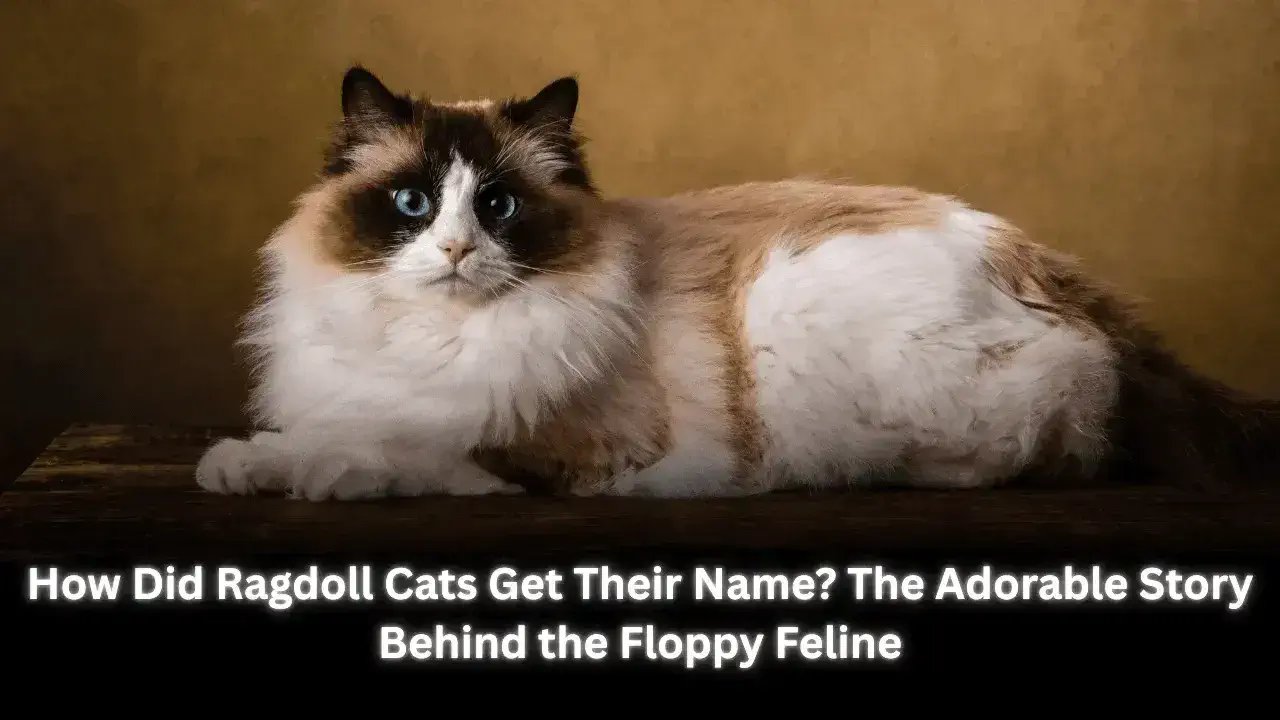
How Did Ragdoll Cats Get Their Name? The Adorable Story Behind the Floppy Feline
Ever wondered how did Ragdoll cats get their name? These fluffy, blue-eyed beauties are not just adored for their striking looks—they also have a one-of-a-kind personality that makes them stand out from other cat breeds. Known for going completely limp, almost like a soft ragdoll toy, when picked up, they’ve earned a reputation as some of the most relaxed and affectionate cats around.
Table of Contents
In this post, we’ll dive into the fascinating story behind their name, uncover the breed’s origins, and explore the myths that have surrounded Ragdoll cats for decades. By the end, you’ll understand exactly why these gentle companions are so perfectly named.
How Did Ragdoll Cats Get Their Name?
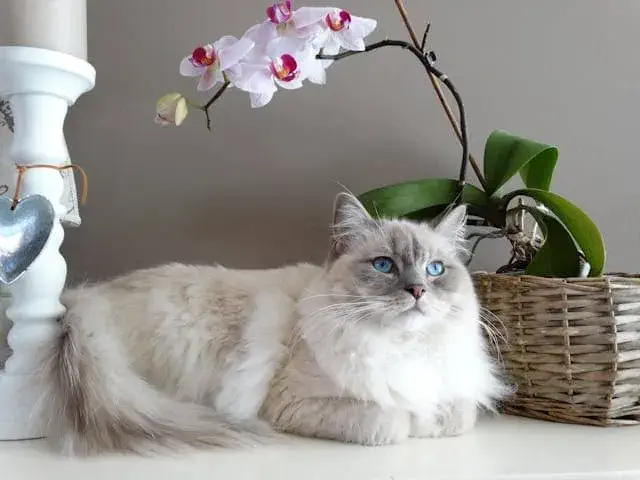
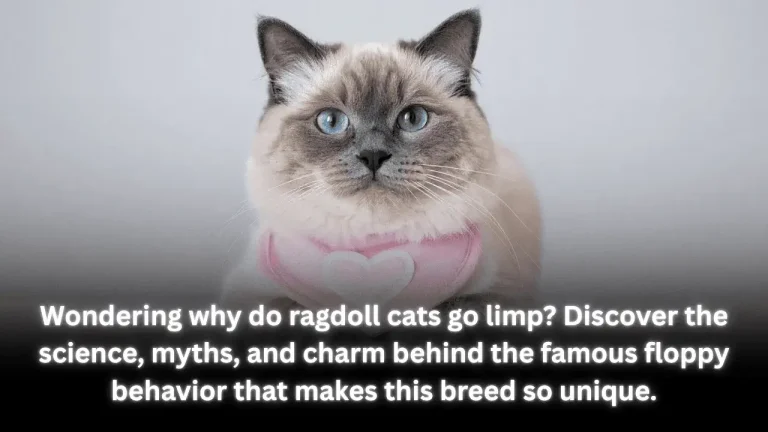
The name “Ragdoll” comes directly from this breed’s most famous trait—their tendency to go limp and relaxed, just like a ragdoll toy, when they’re picked up or cuddled. Unlike many cats that stiffen or resist being held, Ragdolls often flop into their owner’s arms, completely at ease and trusting.
This unique behavior first appeared in the 1960s when breeder Ann Baker in Riverside, California, developed the Ragdoll breed. By carefully selecting cats with calm, affectionate temperaments, she created a line of felines known for their gentle nature. When Ann noticed that these cats became floppy when handled, she gave them the fitting name “Ragdoll.”
Today, that name still perfectly captures their personality—laid-back, loving, and always ready to snuggle.
The Story Behind the Ragdoll Breed
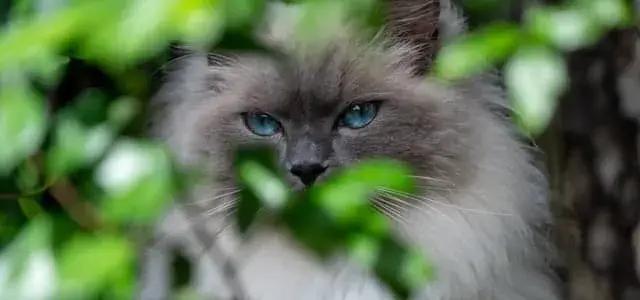
The history of the Ragdoll cat begins in the early 1960s in Riverside, California, with a breeder named Ann Baker. She started with a domestic longhaired white cat named Josephine, who became the foundation mother of the breed. Josephine, along with other carefully chosen cats, passed on traits that would make Ragdolls so special—gentle personalities, striking blue eyes, and silky coats.
The Role of Ann Baker in the 1960s
Ann Baker was determined to create a cat unlike any other. Through selective breeding, she developed kittens that not only had stunning looks but also unusually calm temperaments. She wanted a breed that was affectionate, people-focused, and easy to handle—traits that made Ragdolls instantly appealing to families and cat lovers.
The “Floppy Cat” Personality
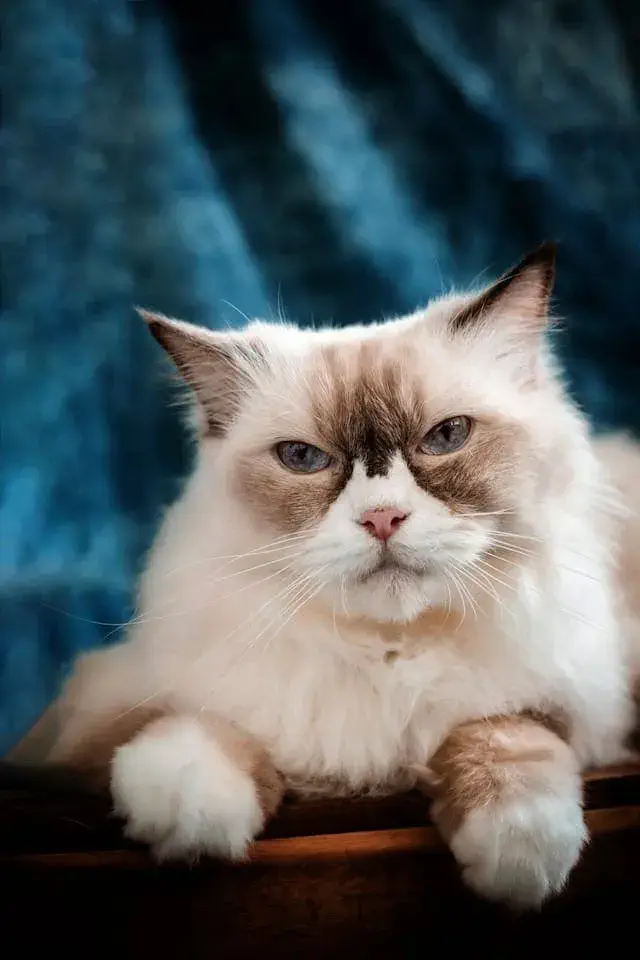
What set these cats apart was their relaxed response to being held. Instead of resisting or becoming tense, the cats would flop in their owner’s arms—almost like a soft ragdoll toy. This unique behavior inspired their now-famous name.
So, if you’ve ever wondered “how did Ragdoll cats get their name?”—the answer lies in both their personality and their history, starting with Ann Baker’s careful vision for the breed.
Myths and Legends About the Name
Like many popular cat breeds, the Ragdoll’s unusual name has sparked myths and legends over the years.
While the truth is that these cats were named for their relaxed, floppy behavior, several stories have circulated about how the name came to be.
The Pain-Resistant Myth
One of the most persistent myths claims that Ragdolls are immune to pain or do not feel it as much as other cats. This idea likely came from their calm response when handled, but it is not true. Ragdolls feel pain just like any other cat—they’re simply more trusting and tolerant of human touch.
The Josephine Legend
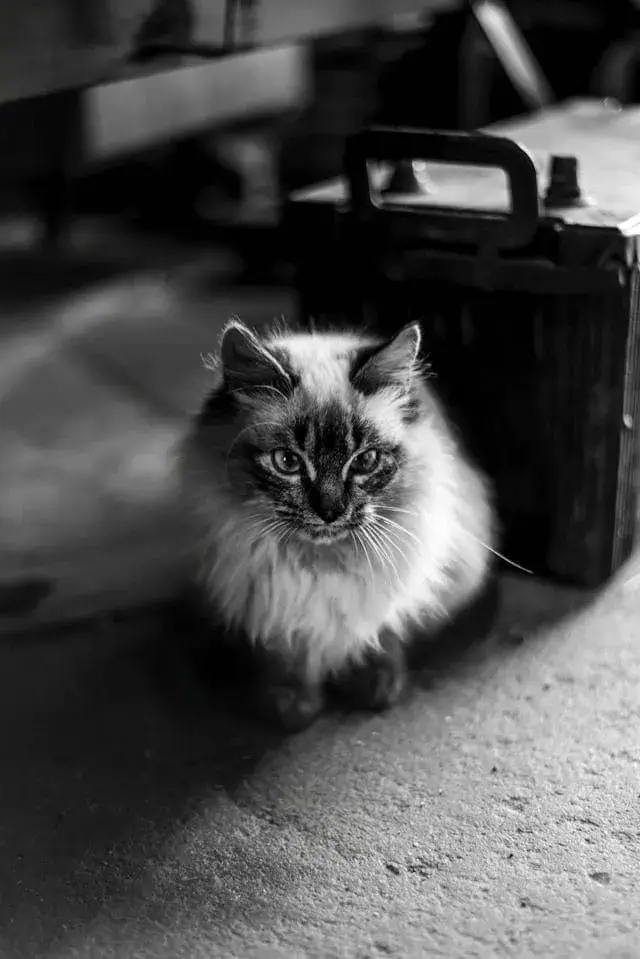
Some early tales suggested that Josephine, the foundation cat of the breed, passed down special traits after being hit by a car and recovering.
The story claimed her kittens were unusually docile and “floppy,” as if the accident gave them these qualities. While intriguing, there’s no scientific evidence for this—Ann Baker likely used it as a way to make the breed seem more mysterious and appealing.
Why Myths Persist
Because Ragdolls are so different from most cats in their temperament, it’s no surprise that dramatic stories popped up around their name. Even today, new Ragdoll owners often ask, “how did Ragdoll cats get their name?” and stumble across these fascinating (but untrue) legends.
Why the Name Still Fits Today
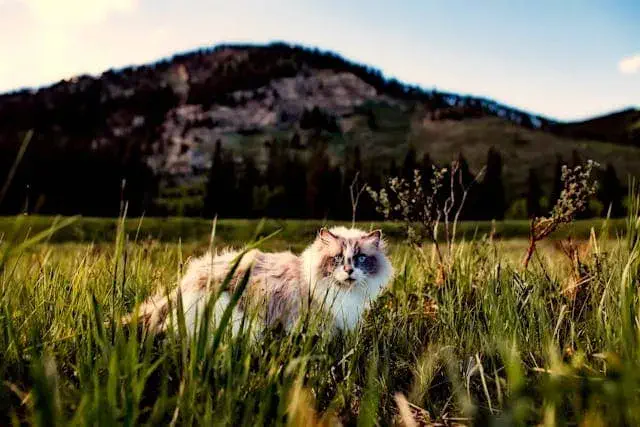
Decades after Ann Baker first named the breed, the term “Ragdoll” continues to perfectly describe these cats. Their laid-back temperament, affectionate nature, and tendency to go floppy when picked up remain the traits that make them so beloved.
Modern Ragdoll Cat Behavior
Today’s Ragdolls are still true to their name. They’re often described as “dog-like” because they follow their owners around, enjoy being held, and rarely mind being carried. Many Ragdolls will melt into your arms during cuddle time, living up to the floppy, relaxed image that inspired their name.
Ragdoll Cats vs. Other Cat Breeds
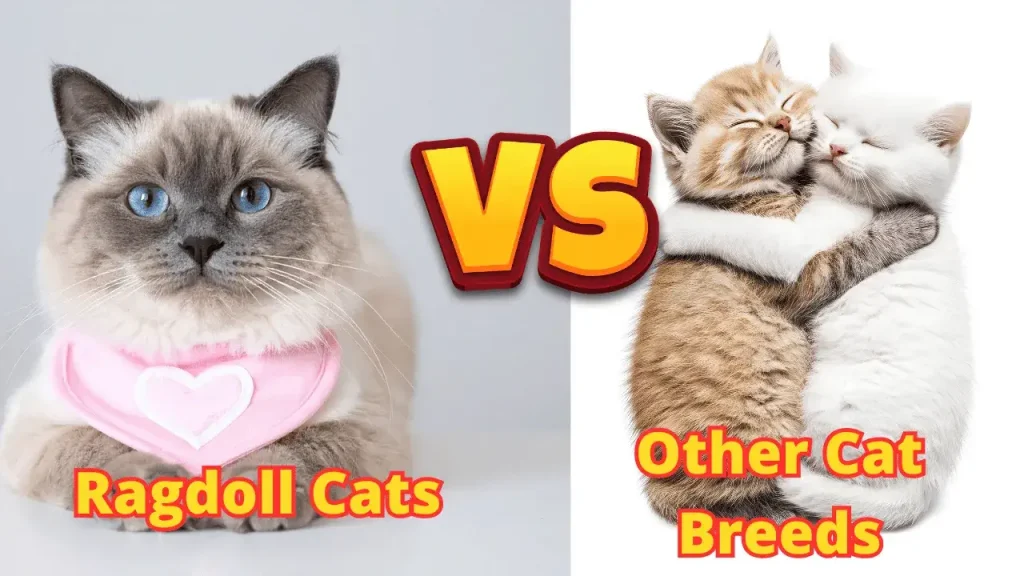
Compared to more independent breeds like the Siamese or the Maine Coon, Ragdolls stand out for their calmness and trust. While other cats may squirm when picked up, a Ragdoll is more likely to stay relaxed, giving the breed its unique identity. This gentle nature is exactly why the name Ragdoll still fits them so well today.
Conclusion
Even today, the name couldn’t be more fitting. Whether they’re lounging on the couch or melting into your arms, Ragdolls live up to their reputation as the ultimate “floppy cats.” Their unique personality, combined with their stunning looks, ensures that the story behind their name continues to delight cat lovers everywhere.
Why are they called Ragdoll cats?
They’re called Ragdoll cats because they go limp and relaxed, like a ragdoll toy, when picked up or cuddled.
What two breeds make a Ragdoll cat?
Ragdolls were originally developed from a white longhaired cat named Josephine, bred with Burmese, Birman, and Persian-type cats. They aren’t a mix of just two breeds but a careful blend.
What is the origin of Ragdoll cats?
Ragdoll cats originated in the 1960s in Riverside, California, by breeder Ann Baker, who selectively bred cats for their calm and affectionate nature.