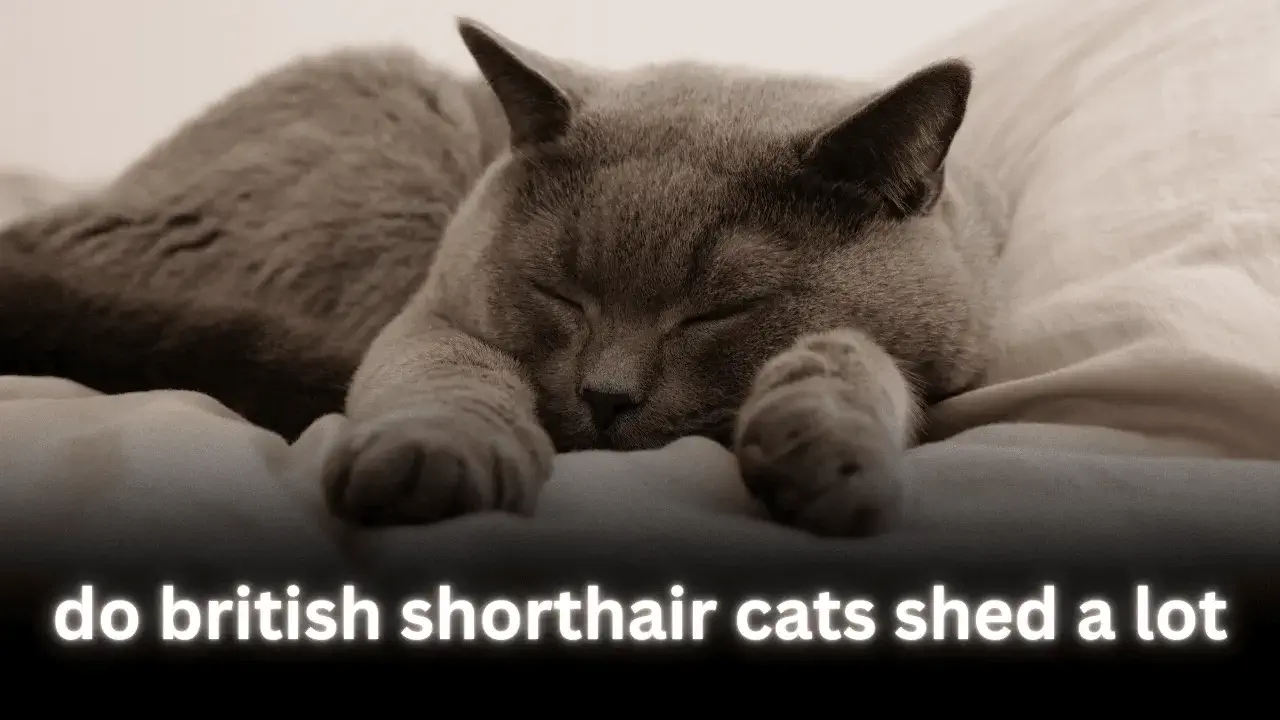
Do British Shorthair Cats Shed a Lot? Essential Grooming Secrets & Shedding Facts
If you’re thinking about bringing home a British Shorthair, one of the most common questions that comes up is: do British Shorthair cats shed a lot? Known for their round faces, plush coats, and calm personalities, these cats are a favorite among pet lovers in the USA and around the world. But before adopting one, it’s important to understand their grooming needs, shedding habits, and what that means for your home.
Table of Contents
In this guide, we’ll dive into how much British Shorthair cats shed, what factors influence their shedding, and simple tips to keep their coats healthy and your space fur-free. Whether you’re a first-time cat owner or adding to your furry family, this article will give you all the insights you need.
Do British Shorthair Cats Shed a Lot?
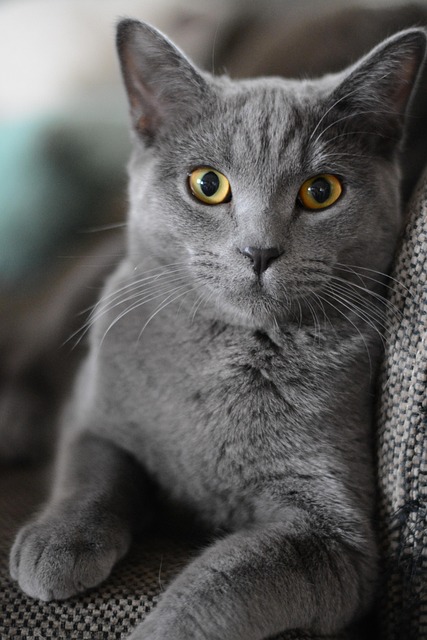
Yes — British Shorthair cats do shed, but usually not as much as long-haired breeds. Their dense double coat is plush and velvety, which means they release fur consistently throughout the year, with noticeable increases during seasonal changes in spring and fall. Compared to cats like Persians or Maine Coons, British Shorthairs are considered moderate shedders.
For most owners, shedding is manageable with regular grooming. Weekly brushing is often enough to reduce loose hairs, keep their coat healthy, and minimize fur on furniture or clothes. While shedding can’t be completely avoided, British Shorthairs are far from the heaviest shedders in the feline world.
Why Do British Shorthair Cats Shed?
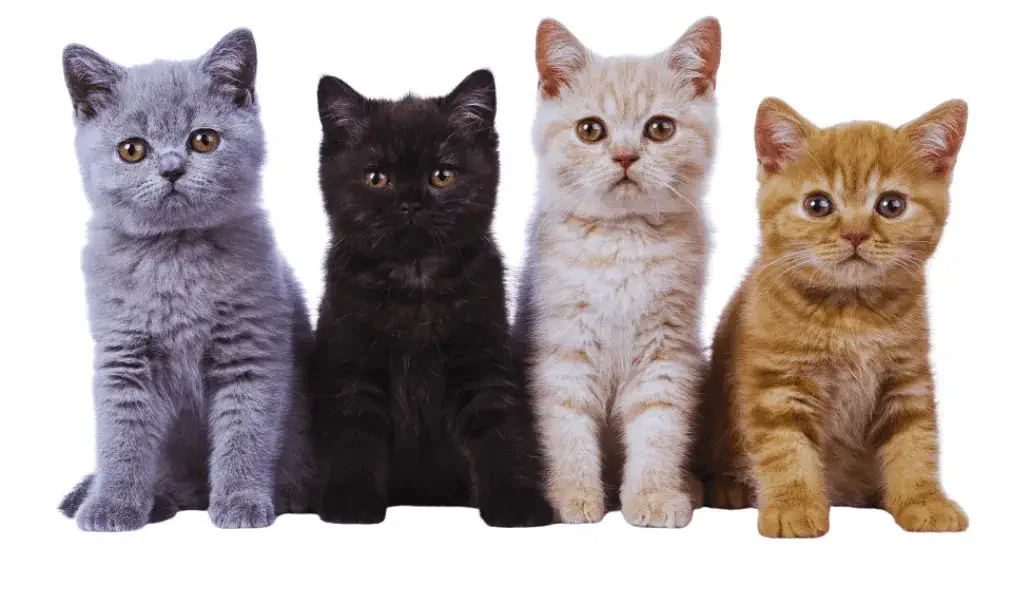
Like all cats, British Shorthairs shed to keep their coats healthy — but several factors influence how much fur you’ll notice. Understanding these reasons helps you manage their shedding more effectively.
Coat Type and Genetics
British Shorthairs have a dense double coat made of a soft undercoat and a thicker top layer. This unique texture makes them appear plush and teddy bear-like, but it also means they naturally lose fur year-round as their body replaces old hairs.
Seasonal Changes
You’ll notice heavier shedding during spring and fall. In spring, they shed their thick winter coat to prepare for warmer weather, while in fall they grow and shed fur as their coat adjusts for winter. These seasonal cycles are completely normal.
Health and Nutrition
A poor diet, stress, or underlying health issues can cause excessive shedding. British Shorthairs thrive on high-quality cat food rich in omega-3 and omega-6 fatty acids, which support a shiny coat and reduce unnecessary hair loss. If shedding suddenly increases, it may be worth consulting a vet.
How to Manage Shedding in British Shorthairs
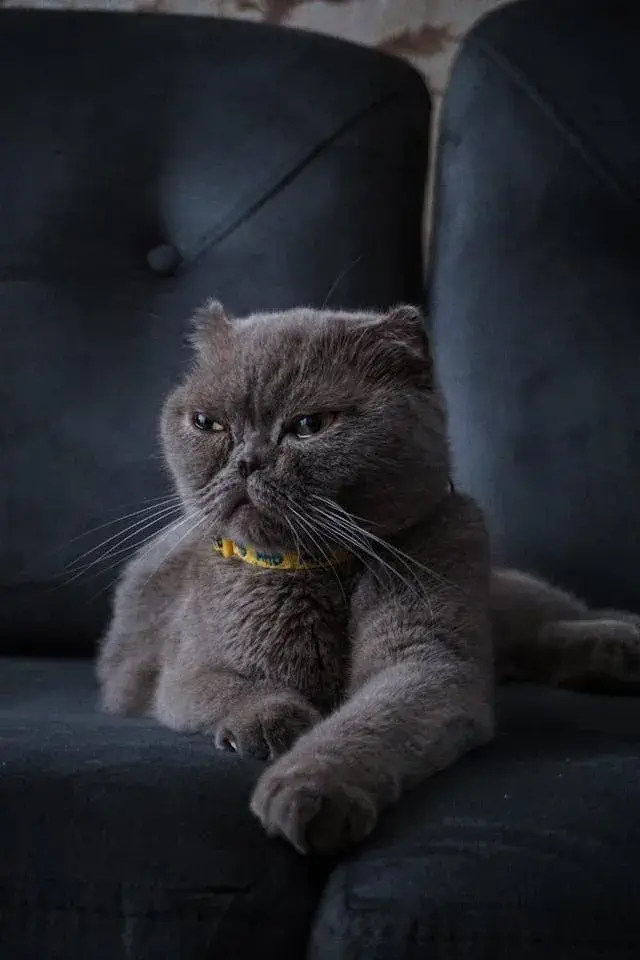
While British Shorthairs shed moderately, a little care goes a long way in keeping their coat (and your home) under control.
With the right grooming routine, diet, and home habits, you can significantly reduce shedding.
Regular Grooming
Brushing your British Shorthair once or twice a week helps remove loose fur before it spreads around your home. Use a soft-bristle brush or a de-shedding tool designed for short-haired cats. Not only does this reduce shedding, but it also stimulates natural oils that keep their coat healthy and shiny.
Healthy Diet
Nutrition plays a huge role in coat health. A diet rich in protein, omega-3, and omega-6 fatty acids supports skin health and reduces excess shedding. Look for high-quality cat food that lists meat as the first ingredient and avoid fillers that may weaken coat quality.
Cleaning & Home Tips
Even with regular grooming, you’ll still see some fur around the house. Stay ahead with practical cleaning hacks:
- Use a vacuum with a pet-hair attachment for carpets and furniture.
- Keep a lint roller handy for clothing.
- Wash pet bedding regularly to prevent buildup of fur and dander.
Are British Shorthair Cats Good for Allergy Sufferers?
Many people wonder if British Shorthair cats are a good choice for allergy sufferers. While their short, dense coats make them relatively low-maintenance, it’s important to note that no cat breed is truly hypoallergenic. Allergies are usually triggered by proteins found in a cat’s saliva, skin (dander), and urine — not just their fur.
That said, British Shorthairs may be easier to live with compared to long-haired breeds because:
- They shed less fur overall.
- Their coat is short and plush, making grooming simpler.
- With regular brushing, you can reduce the amount of dander spread around the home.
Tips for Allergy Management
- Brush often: Weekly grooming helps control fur and dander.
- Clean the home regularly: Use HEPA vacuums and air purifiers to trap allergens.
- Create cat-free zones: Keeping your bedroom pet-free can help reduce nighttime symptoms.
- Consult your doctor: Allergy medications or immunotherapy may help if symptoms are strong.
While British Shorthair cats aren’t hypoallergenic, many owners with mild allergies find them manageable with the right care routine.
British Shorthair Shedding vs. Other Cat Breeds
When deciding on a pet, it helps to compare how much British Shorthairs shed compared to other popular cat breeds. While they do shed, their short, dense double coat makes them easier to maintain than long-haired cats.
British Shorthair vs. Persian Cats
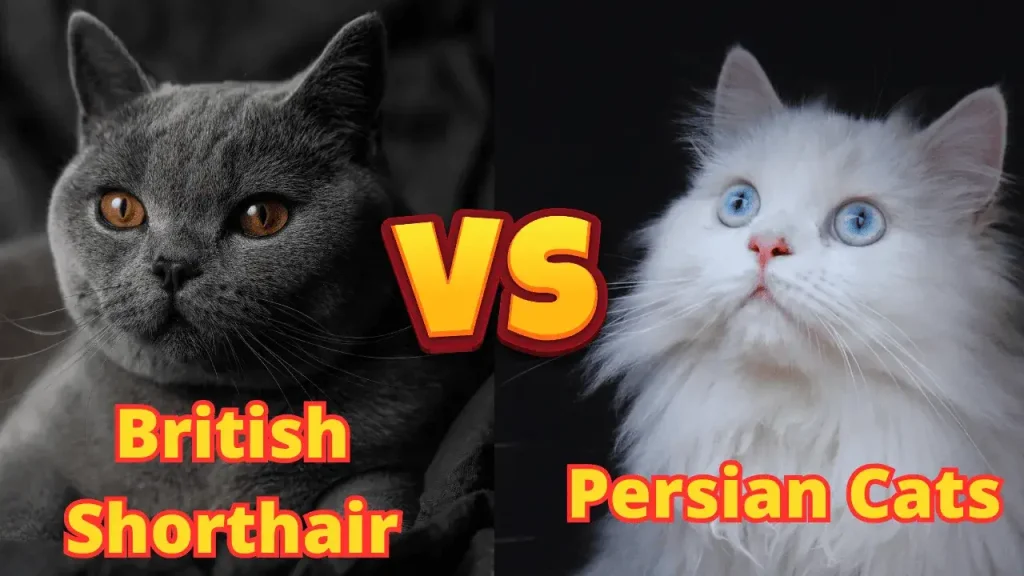
Persians are heavy shedders with long, flowing coats that require daily grooming. In comparison, British Shorthairs shed moderately and need brushing only once or twice a week, making them far less work.
you can read more Persian Cats by visiting this article.
British Shorthair vs. Maine Coons
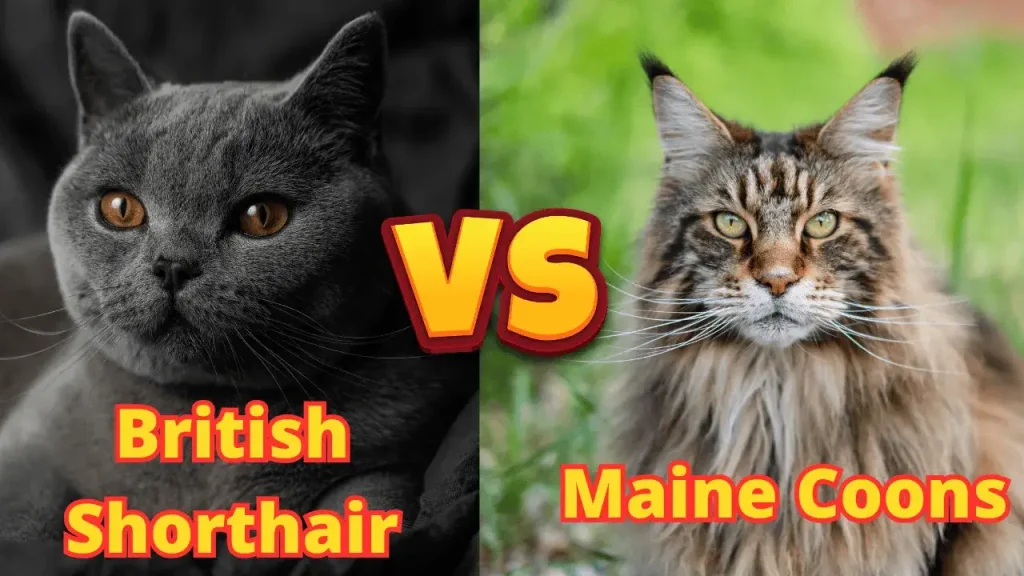
Maine Coons, known as gentle giants, have long, thick coats that shed heavily year-round. British Shorthairs, with their shorter coats, shed less and are easier to keep tidy.
British Shorthair vs. Siamese Cats
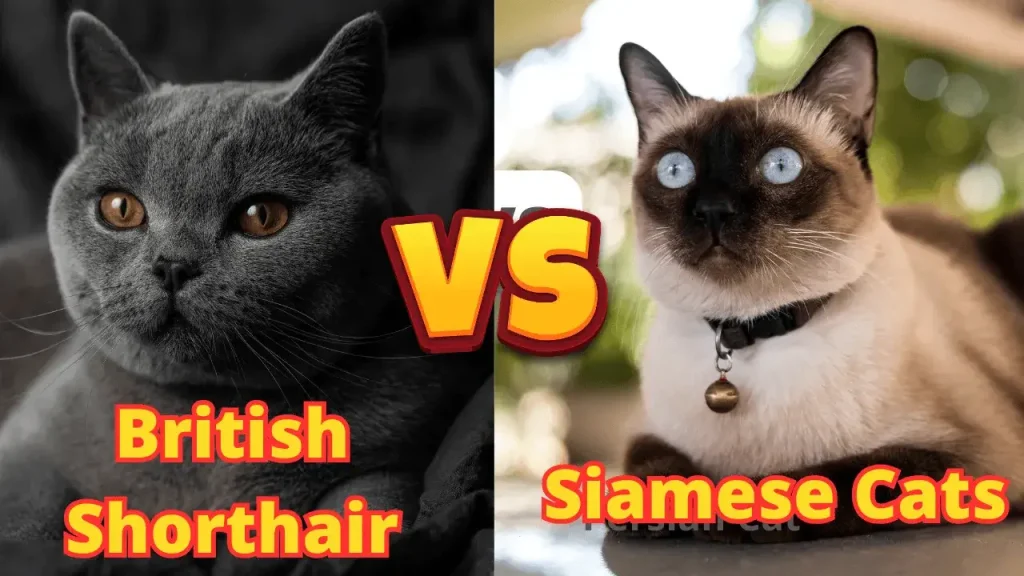
Siamese cats have sleek, single-layered coats and shed very lightly. British Shorthairs shed more than Siamese, but still less than most long-haired breeds.
Conclusion
Whether you’re preparing to welcome one into your family or just curious about their grooming needs, you can feel confident knowing that with a little care, British Shorthair shedding is completely manageable.
FAQs
Why do British Shorthairs shed so much?
British Shorthairs have a thick double coat that naturally renews year-round. They shed more during spring and fall as they adjust to seasonal temperature changes.
Which kind of cat sheds the least?
Breeds like the Sphynx (hairless), Devon Rex, and Cornish Rex shed the least because they either have no coat or very short, fine fur.
What are the disadvantages of British Shorthair cats?
While they’re affectionate and low-maintenance, disadvantages include:
Shedding (though manageable with grooming)
Prone to weight gain if not exercised properly
Not very lap-oriented — they’re loving but often prefer sitting nearby instead of being cuddled all the time